Many things can cause these symptoms, which can make it difficult to diagnose. Possible causes include sinus problems, toothache, arthritis, injury, teeth grinding, gingivitis or problems with your jaw like TMJ. Your dentist will conduct a thorough exam, which may include X-rays, to determine the source of the pain.
Above article from: MouthHealthy.org
Butler Family Dental
Chris A. Butler, DMD
1745 West 17th Avenue
Eugene, OR 97402
(541) 485-6645
MyDentistEugene.com
Wednesday, 26 April 2017
Monday, 24 April 2017
April is Oral Cancer Awareness Month
Oral cancer can be fatal. But if detected early, it has a fantastic cure rate.
Get your painless oral cancer screening today! Ask your dentist for an oral cancer screening.
It could save your life!
Butler Family Dental
Chris A. Butler, DMD
1745 West 17th Avenue
Eugene, OR 97402
(541) 485-6645
MyDentistEugene.com
Saturday, 22 April 2017
Mouth-Healthy Eating
Below is an excerpt from an article found on Colgate.com that was Reviewed by the Faculty of Columbia University College of Dental Medicine
If you want to prevent cavities, how often you eat can be just as important as what you eat. That's because food affects your teeth and mouth long after you swallow. Eating cookies with dinner will do less harm to your teeth than eating them as a separate snack. Of course, overall poor nutrition can contribute to periodontal (gum) disease. It also can have other long-term effects on your mouth. Learning how food affects your oral health is the first step toward mouth-healthy eating.
Immediate Effects of Food
Changes begin in your mouth the minute you start to eat certain foods. Bacteria in your mouth make acids. The acids start the process that can lead to cavities.
How does this happen?
All carbohydrate foods eventually break down into simple sugars: glucose, fructose, maltose and lactose. Fermentable carbohydrates break down in the mouth. Other foods don't break down until they move further down the digestive tract.
Fermentable carbohydrates work with bacteria to form acids that begin the decay process and eventually destroy teeth. They include the obvious sugary foods, such as cookies, cakes, soft drinks and candy. But they also include less obvious foods, such as bread, crackers, bananas and breakfast cereals.
Certain bacteria on your teeth use the sugars from these foods and produce acids. The acids dissolve minerals inside the tooth enamel. The process is called demineralization. Teeth also can regain minerals. This natural process is called remineralization. Saliva helps minerals to build back up in teeth. So do fluoride and some foods.
Dental decay begins inside the tooth enamel when minerals are being lost faster than they are being regained.
To read the entire article visit Colgate.com.
The remainder of the article details the following:
- more information on the Immediate Effects of food
- information on the Long-Term Effects of food
- information on What to Eat
Butler Family Dental
Chris A. Butler, DMD
1745 West 17th Avenue
Eugene, OR 97402
(541) 485-6645
MyDentistEugene.com
Chris A. Butler, DMD
1745 West 17th Avenue
Eugene, OR 97402
(541) 485-6645
MyDentistEugene.com
Wednesday, 19 April 2017
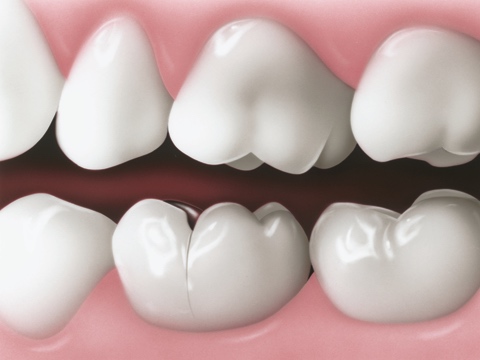
Top Dental Symptoms: Cracked or Broken Teeth
A cracked or broken tooth can happen for a variety of reasons- brittle teeth, teeth grinding, injury. The crack may be invisible to the naked eye and even X-ray, but they can be incredibly painful and create bigger problems if left untreated. If you experience pain when chewing see your dentist. They can diagnose the cause and develop a plan for treatment.
Above article from: MouthHealthy.org
Butler Family Dental
Chris A. Butler, DMD
1745 West 17th Avenue
Eugene, OR 97402
(541) 485-6645
MyDentistEugene.com
Above article from: MouthHealthy.org
Butler Family Dental
Chris A. Butler, DMD
1745 West 17th Avenue
Eugene, OR 97402
(541) 485-6645
MyDentistEugene.com
Monday, 17 April 2017
Your Dentist and Hygienist are your First Line of Defense
Who else ever examines the inside of your mouth this closely?
Oral cancer can be fatal. But if detected early the cure rate is astounding.
Ask your dentist for a painless oral cancer screening today.
It could save your life.
Butler Family Dental
Chris A. Butler, DMD
1745 West 17th Avenue
Eugene, OR 97402
(541) 485-6645
MyDentistEugene.com
Saturday, 15 April 2017
Nutrition Tips: How to Eat Healthy
Below is an excerpt from an article found on Colgate.com that was written by Yolanda Eddis
Healthy eating is essential for your overall health. Choosing foods and beverages that provide the right amount of energy and nutrients goes a long way toward maintaining not only a healthy body, but also a healthy mouth. The Centers for Disease Control and Prevention (CDC) offer numerous nutrition resources, such as sample recipes, menus and educational tools that will guide you in picking out the right foods and drinks to consume. By knowing how to eat healthy, you can improve your physical and oral health, prevent disease and promote healthy growth and development for children and adolescents.
What Is a Nutritious Diet?
Eating a nutritious diet has many benefits. A well-balanced diet should include foods from the basic food groups and subgroups along with the right oils. Nutrients such as carbohydrates, fats, proteins, vitamins and minerals are a staple of healthy diets, but it's also important to avoid eating too many or too few nutrients.
In an effort to assist consumers to learn how to eat healthy, the U.S. Department of Agriculture developed the MyPlate website. MyPlate illustrates the five food groups, which include fruits, vegetables, grains, proteins and dairy, and provides several examples of each. Oils that come from different plants and fish are also recommended although they don't constitute a food group of their own. The selection of foods from these groups can be fresh, canned, frozen or dried. The site also recommends different ways to balance your caloric intake by increasing nutrients and decreasing the consumption of sugar and sodium in meals and snacks.
To read the entire article visit Colgate.com.
The remainder of the article details the following:
Healthy eating is essential for your overall health. Choosing foods and beverages that provide the right amount of energy and nutrients goes a long way toward maintaining not only a healthy body, but also a healthy mouth. The Centers for Disease Control and Prevention (CDC) offer numerous nutrition resources, such as sample recipes, menus and educational tools that will guide you in picking out the right foods and drinks to consume. By knowing how to eat healthy, you can improve your physical and oral health, prevent disease and promote healthy growth and development for children and adolescents.What Is a Nutritious Diet?
Eating a nutritious diet has many benefits. A well-balanced diet should include foods from the basic food groups and subgroups along with the right oils. Nutrients such as carbohydrates, fats, proteins, vitamins and minerals are a staple of healthy diets, but it's also important to avoid eating too many or too few nutrients.
In an effort to assist consumers to learn how to eat healthy, the U.S. Department of Agriculture developed the MyPlate website. MyPlate illustrates the five food groups, which include fruits, vegetables, grains, proteins and dairy, and provides several examples of each. Oils that come from different plants and fish are also recommended although they don't constitute a food group of their own. The selection of foods from these groups can be fresh, canned, frozen or dried. The site also recommends different ways to balance your caloric intake by increasing nutrients and decreasing the consumption of sugar and sodium in meals and snacks.
To read the entire article visit Colgate.com.
The remainder of the article details the following:
- How to Select Healthy Beverages
- Healthy Habits after Eating and Drinking
- Healthy Eating Tips
- Diet and Dental Health
Butler Family Dental
Chris A. Butler, DMD
1745 West 17th Avenue
Eugene, OR 97402
(541) 485-6645
MyDentistEugene.com
Chris A. Butler, DMD
1745 West 17th Avenue
Eugene, OR 97402
(541) 485-6645
MyDentistEugene.com
Friday, 14 April 2017
Good Food for Dental Health: Fruits & Veggies
Fruits and Veggies Pack an Extra Punch
Fruits and veggies are an important part of any balanced diet, and they are also good for your teeth. Since they are high in water and fiber, they help to balance the sugars they contain and help to clean your teeth. Chewing also helps to stimulate saliva production, which washes harmful acids and food particles away from your teeth.
Above article from: MouthHealthy.org
Butler Family Dental
Chris A. Butler, DMD
1745 West 17th Avenue
Eugene, OR 97402
(541) 485-6645
MyDentistEugene.com
Fruits and veggies are an important part of any balanced diet, and they are also good for your teeth. Since they are high in water and fiber, they help to balance the sugars they contain and help to clean your teeth. Chewing also helps to stimulate saliva production, which washes harmful acids and food particles away from your teeth.
Above article from: MouthHealthy.org
Butler Family Dental
Chris A. Butler, DMD
1745 West 17th Avenue
Eugene, OR 97402
(541) 485-6645
MyDentistEugene.com
Subscribe to:
Posts (Atom)


